Why is a toll due?
The Tyne Tunnels toll keeps our region connected, safe and moving. It ensures that we have two pieces of well-maintained infrastructure that enable over 65,000 journeys every day.
A tunnel built for the North East
When the first Tyne Tunnel opened in 1967, it was a major milestone for the region.
For the first time, there was a direct link between North and South Tyneside, helping people region-wide reach jobs, schools, families and opportunities without relying on the ferry or long detours. It helped shape the North East we know today, opening-up trade, travel and growth along the A19 corridor.
As our communities grew, so did the traffic. The original tunnel was designed to carry around 4,000 vehicles a day. By the 1980s, it was handling almost 23,000. A second tunnel was a necessity to keep the region moving and support regional growth.
How the second tunnel was funded

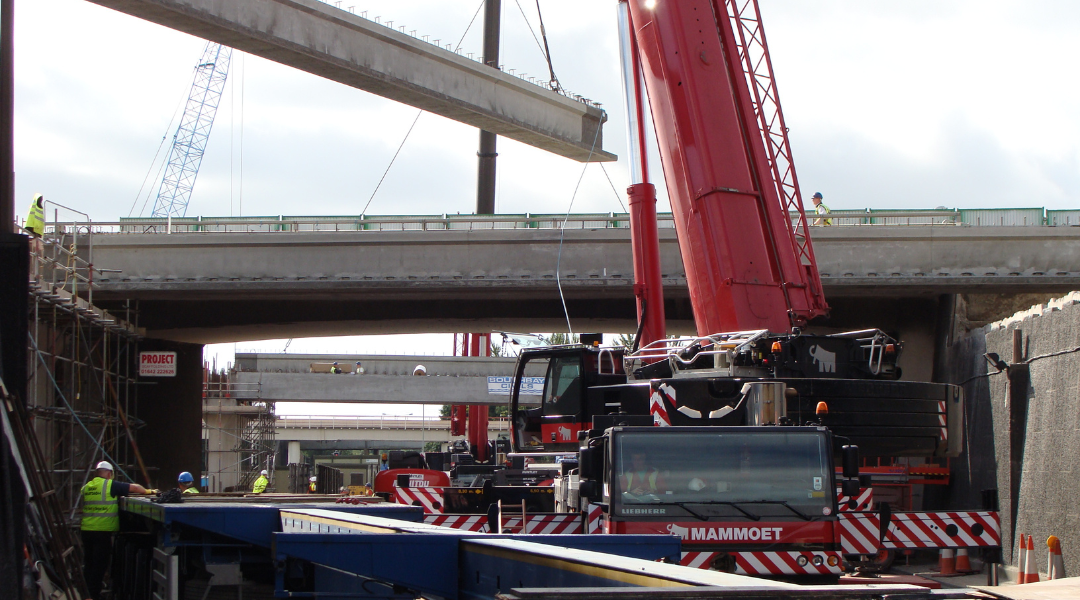
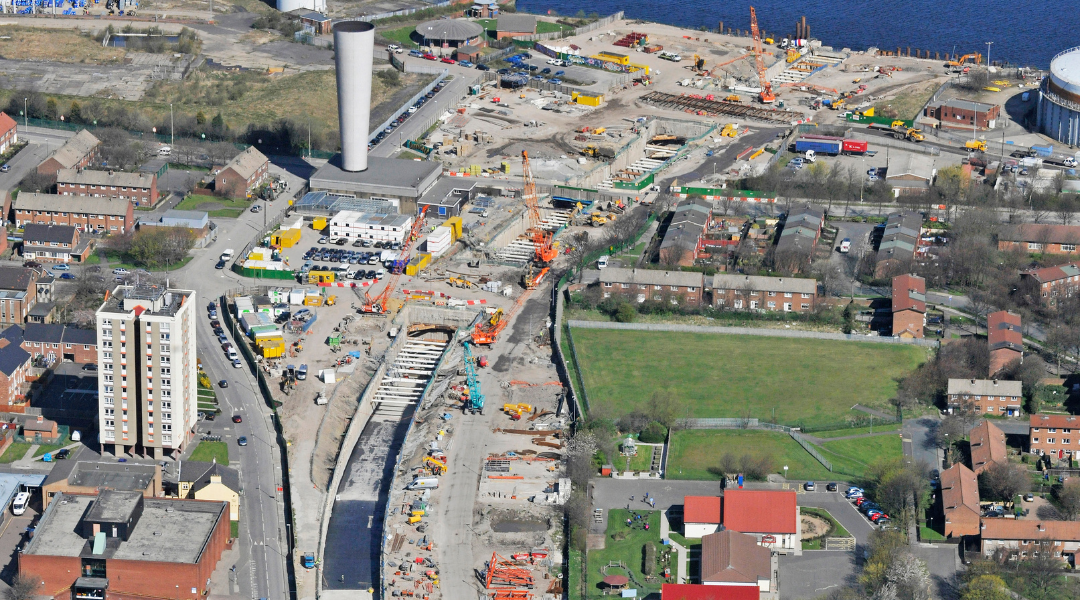
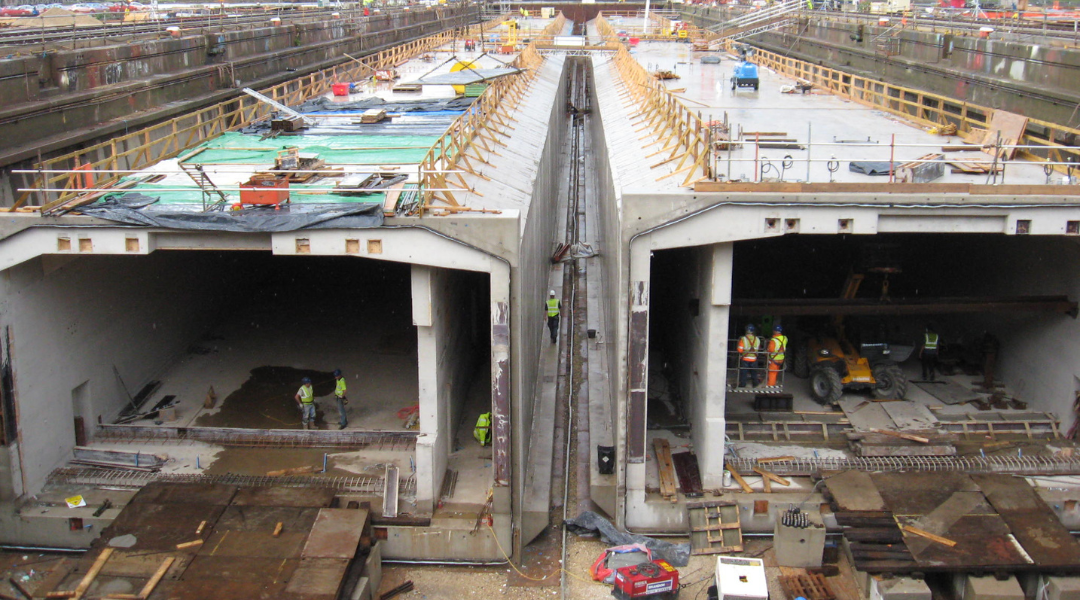
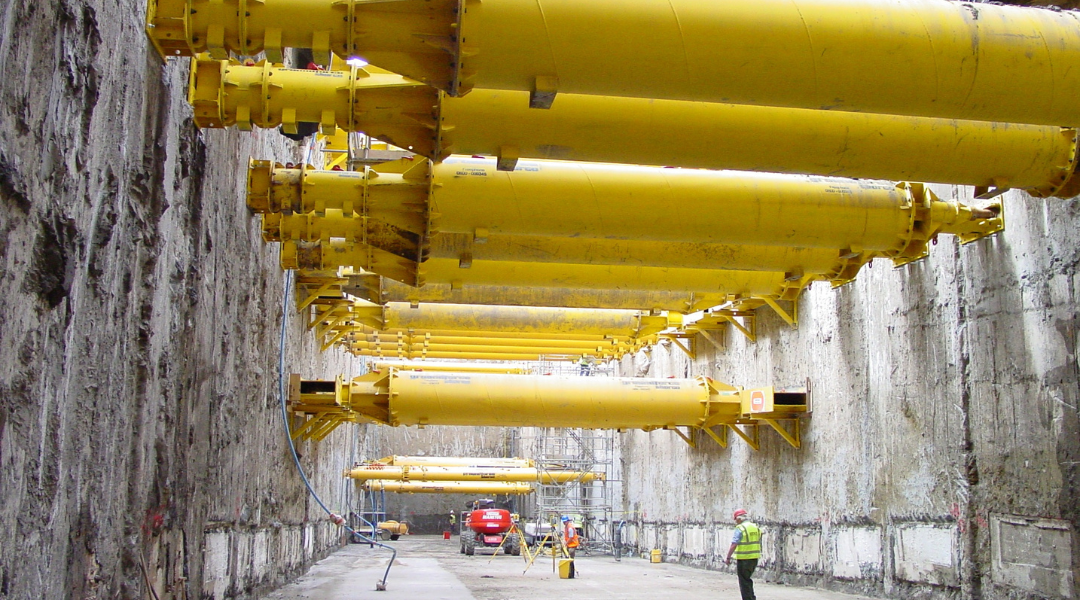
Building a second road tunnel required hundreds of millions of pounds of investment. When this was being planned in the early 2000s, national government policy was for new river crossings like ours to be funded through a Private Finance Initiative (PFI).
This meant that, rather than the costs being paid for through general tax or local council budgets, private investors funded the construction up front and the users of the asset would pay with tolls to repay that cost over time. Think of it like a household mortgage. Local leaders agreed to this model because it meant the North East could get the tunnel it needed without waiting for central government funding that wasn’t available. It also meant that any risk would sit with the operator, TT2 Limited, and not the local authorities. TT2 Limited was appointment for a 30-year concession contract in 2007.
In short, without that model, we simply wouldn’t have the Tyne Tunnels we rely on today.
So where does the toll money go?
The Tyne Tunnels are self-funded. Unlike other major roads and bridges, they don’t receive money from National Highways budgets or local authority funds.
Safe, reliable, 24/7 operation
From tunnel monitoring, traffic management and emergency response to the technology that keeps the tunnels and payments running smoothly and 130 employees behind the scenes.
Ongoing maintenance
Regular inspections, cleaning, lighting upgrades, ventilation systems, safety systems, road resurfacing and asset improvements.
Repayment of construction costs
Around £210 million is still owed to lenders from the second tunnel’s construction.
Future resilience
Ensuring the tunnels are well maintained for the long term, so future generations continue to benefit from them without the need for additional public funding.
Why can’t the tunnels be free?
The tunnels operate under a long-term financial agreement that relies on toll income. Around £210 million of construction costs remains to be repaid by 2037.
Removing tolls would mean there is no mechanism to meet these obligations. Keeping them in place ensures the tunnels remain financially sustainable and properly maintained.
Why does the toll increase?
The agreement the investors signed with local authorities requires annual inflation-linked reviews, so the operator can cover the huge construction debt, the interest on that debt, and the cost of running and maintaining the tunnels. The tolls are set by the North East Mayoral Strategic Authority in line with this agreement, and may be increased with changes to the Retail Prices Index (RPI) measure of inflation.
What does that mean for local people?
It means that the Tyne Tunnels don’t cost local taxpayers a penny in council tax or government funding, they are funded by the people who use them. The tolls make sure that our tunnels remain open, safe and reliable for the 65,000 vehicles that pass through every day. That includes commuters getting to work, families visiting loved ones, key workers on night shifts, and delivery drivers keeping North East businesses supplied.
The stats behind your journey...
A regional asset we can be proud of
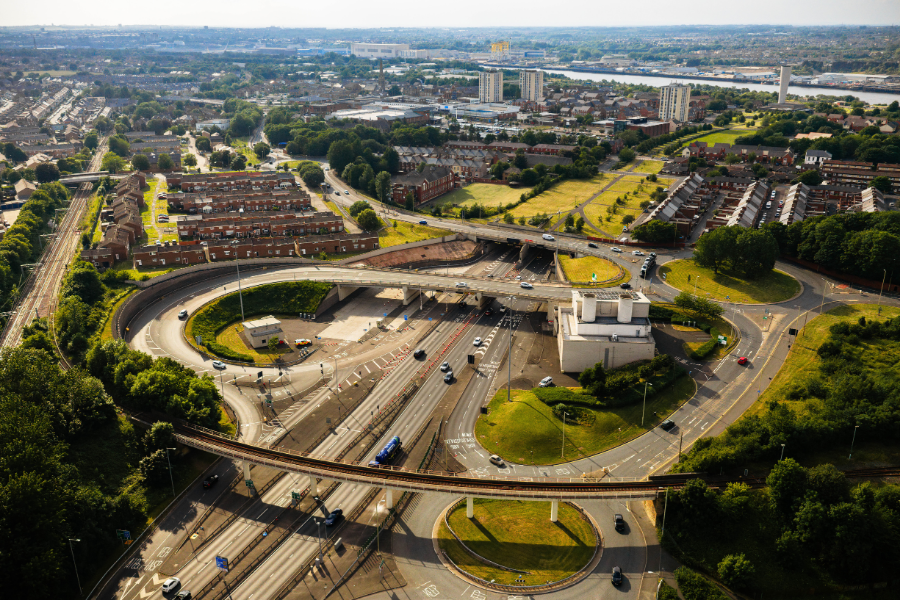
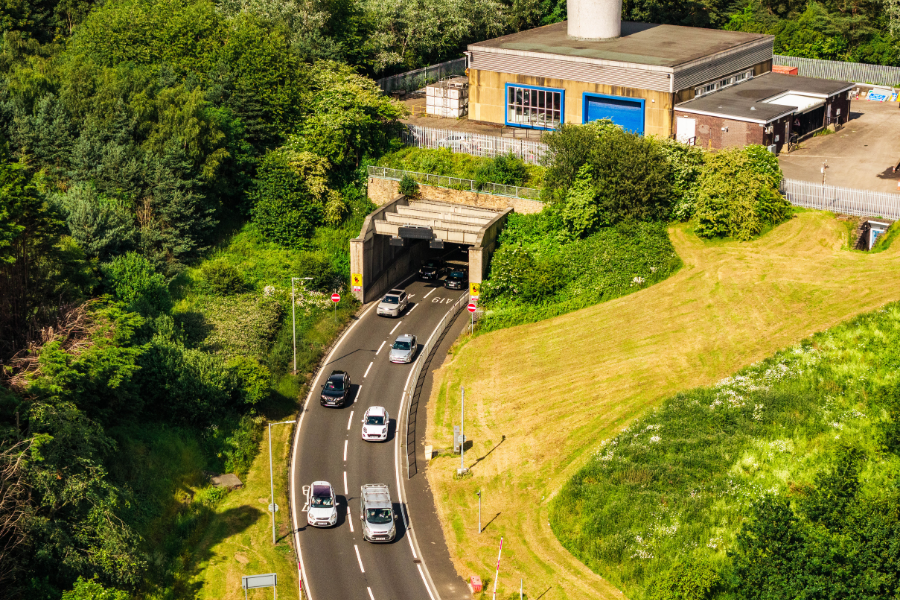
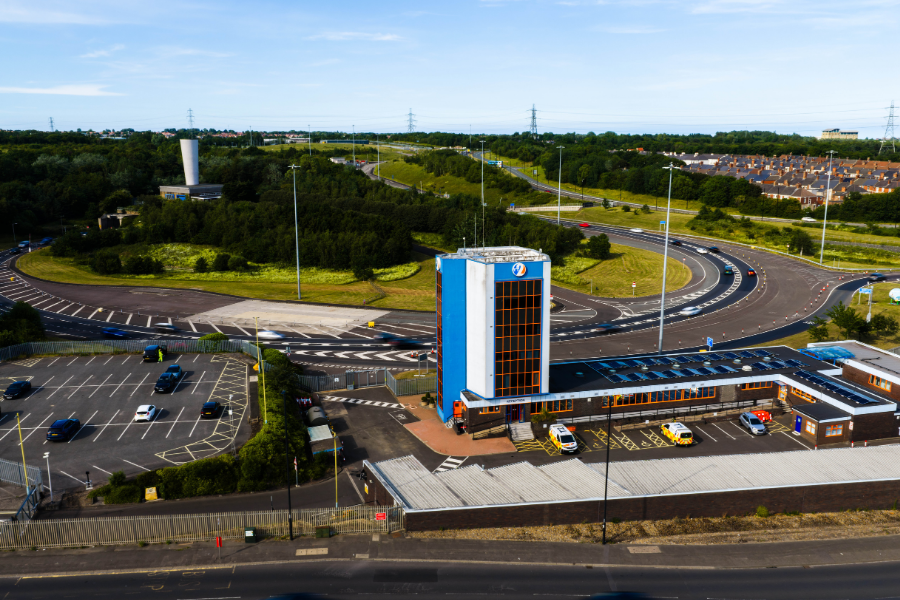
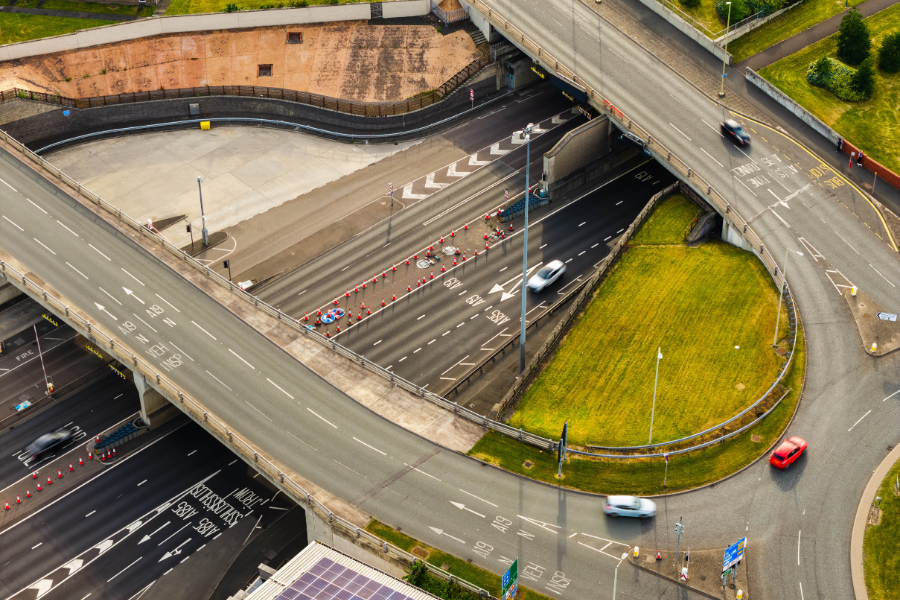
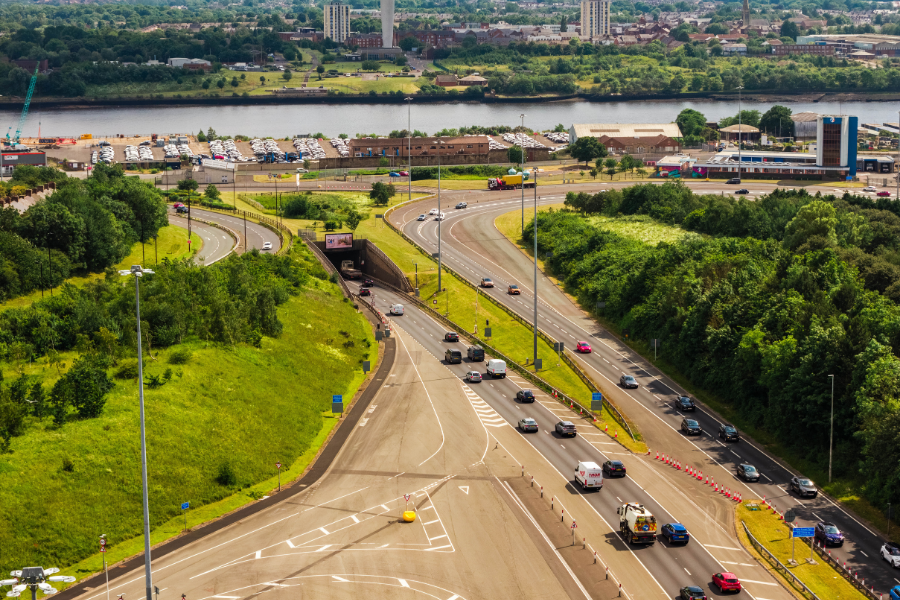
The Tyne Tunnels are more than concrete and steel. They’re a symbol of the North East’s ambition, a vital link that connects people and places and keeps our economy and communities moving.
Every day, your toll helps protect an asset that belongs to the region and serves the region. It ensures that this incredible piece of engineering, built beneath the River Tyne, continues to deliver value to our region for decades to come – safely, sustainably and independently.
We recognise that tolls are not always welcome, however they are essential in ensuring that this infrastructure serves the North East. It’s because of this toll that we have a reliable crossing that connects us, supports local growth, and keeps the North East moving forward.